


Getting Back into Exercise, Gently and Confidently
After the indulgence and relaxed routine of the holidays, getting back into activity can feel daunting, especially when managing Crohn’s disease or ulcerative colitis. But keeping active is not only possible, it’s beneficial. With a few thoughtful adjustments, exercise can help support your physical and mental wellbeing.
Why Exercise Matters
Recent evidence points to several advantages of regular physical activity for people living with IBD:
-
Reduced inflammation and improved immune response: Low-to-moderate intensity exercise can positively influence disease activity, ease fatigue, and support quality of life.
-
Enhanced wellbeing and mood: Exercise is linked to better mental health outcomes, including reduced anxiety and improved quality of life.
-
Potential protection against flare-ups: Observational studies suggest people with higher physical activity levels had a lower risk of developing Crohn’s or ulcerative colitis.
-
Safe and well tolerated: Light to moderate activity is generally safe for IBD patients and may offer gastrointestinal benefits too.
Longer or more intense workouts may still be safe if balanced with hydration, nutrition, and attentiveness to how your body responds, though more research is needed in this area.
Getting Started Again: A Practical Guide
-
Ease back into it
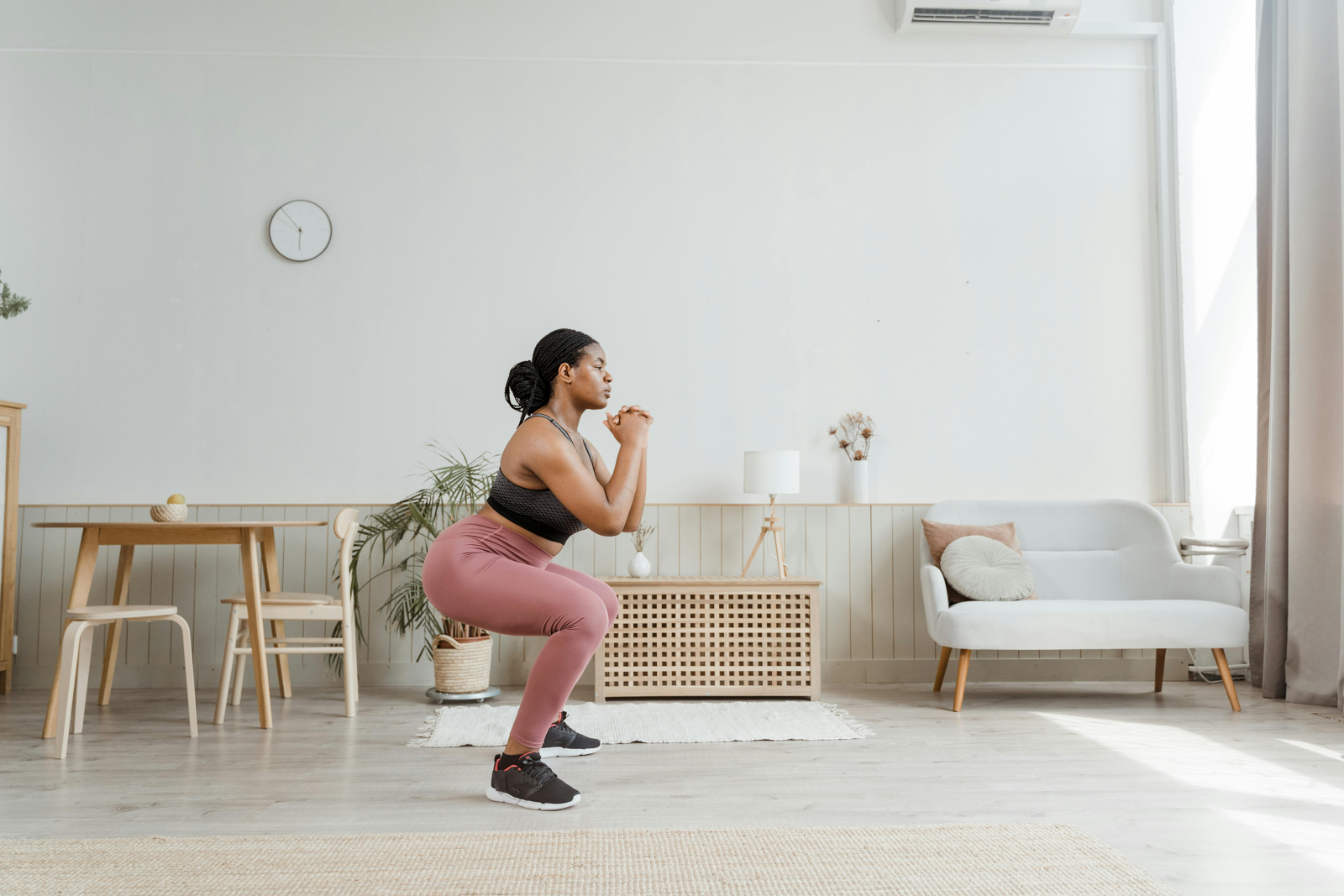
Start with gentle activities like walking, stretching, or gentle yoga. Aim for 15–20 minutes, two to three times a week, and gradually build up. -
Check in with your body
Pay attention to how your IBD is behaving. If you’re in remission, you may increase activity a little sooner. But if you’re experiencing flare-up symptoms, adding activity too quickly could exacerbate them. -
Mix it up mindfully
Combine cardio (e.g. walking, cycling) with light strength or flexibility work. This not only strengthens muscles and supports bone health but can also help with posture and fatigue. -
Stay fuelled and hydrated
Drink water before, during, and after activity. Eating light, easy-to-digest snacks, like a banana or a slice of toast, can help avoid discomfort. -
Listen and adapt
Try 10–15 minutes of exercise and pause. If you’re comfortable, increase activity in small increments over days or weeks. -
Partner with your healthcare team
Discuss your plans if you’re on biologics, steroids, or in active flare, as you may need tailored advice or adjustments.
Sustaining Activity Beyond the Holidays
-
Set realistic goals—like a short daily walk or gentle stretching before bed. It’s about consistency, not intensity.
-
Use tools like My IBD Care to monitor your activity alongside mood, fatigue, and symptoms. Self-tracking helps spot patterns and guide decisions.
-
Tap into community support—join virtual community Q&As or wellbeing courses through the app or via live events in the Ampersand Health Hub.
A Word on Mind-Body Balance
Mind–body practices, such as gentle yoga, tai chi, or mindfulness, are shown to improve quality of life and may support symptom management. Incorporating these alongside light activity can provide added benefit.
–
Final Thoughts
Getting back into exercise post-holiday doesn’t have to happen overnight. A gently increasing routine, mindful pacing, and supportive tools can make all the difference.
As one My IBD Care user shared, the app’s lifestyle and wellbeing programmes, led by experts and co-developed with people who have IBD, helped them build active habits that felt relevant and achievable. Start small, stay consistent, and let your wellbeing, not your watch, set the pace.


